
Match predictions are the part of fantasy cricket that is most often sold as a tip sheet and most often misunderstood. A useful prediction is a structured way to reduce uncertainty before the toss, not a guaranteed pick after it. This hub shows you how we organise prediction work and which signals we trust, in which order, on which day.
The three signals we read first
Most contests are decided by information that is freely available before the toss. The trick is to know which information matters and in which order to read it.
- The pitch and the venue. Square turners reward spin; batting paradise strips reward batting depth; green tracks reward seam. Read this before you open the player list.
- The weather and dew. Monsoon dew in the second innings reshapes captain math. A 60% dew chance should change your captain pick as much as any form signal.
- The confirmed playing card. The pre-match chatter rarely survives first contact with reality. The playing card at the toss is the only document that matters for selection.
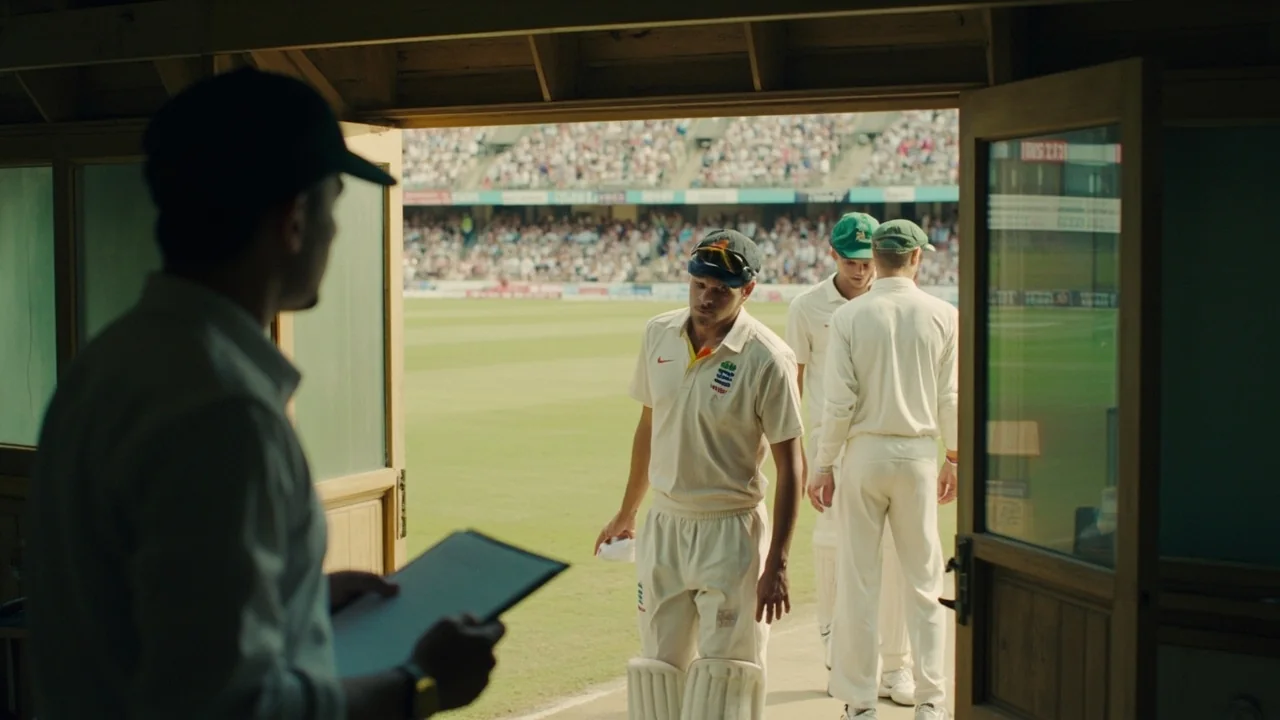
Toss, dew and the captain decision
Toss information changes captain logic, not just the matchup. In high-dew conditions, the captain pick shifts to the chasing team's top-order batters — because dew erodes spin grip and rewards second-innings aggression. In dry conditions with a slow outfield, the captain pick shifts to the bowling side's spinners — because wickets are the highest-value event on the scorecard.
Weather watch: hour by hour
Don't trust a single forecast update. Check three forecasts and pick the consensus view; where they diverge, treat that hour as a coin flip rather than a confident input. For matches in monsoon windows, the dew window in hour 30 to 40 is what to watch.

Confirmed XI and the late swap window
Late swap windows exist precisely so you can react to the toss and the confirmed playing card. Use them — but only on new information, not on nerves. A common mistake is reacting to a surprise XI selection with a different captain rather than a different bowler; the captain pick should track the matchup, not the surprise.

The final-checklist before the deadline
Ten minutes before the deadline, run a final-checklist: confirmed XI, weather updated, captain logic aligned, vice-captain ceiling aligned. Anything missing is a reason to step away from the keyboard.

Fantoss questions on match predictions
Does Fantoss publish winning teams? No. Fantoss publishes methodology and dated verification. We never publish winning lineups, ownership percentages or guaranteed picks; no legitimate source can promise those.
How often are predictions updated? Every prediction carries a last-updated timestamp. We re-publish when the playing conditions or the playing card change.
Where do you source your pitch and weather data? From the venue's groundsman reports, the operator's pre-match notes, and three independent forecasts. Where they conflict, we say so on the page.
Combine the predictions with the captain logic
The captain multiplier is the single biggest decision in any XI. Read the fantasy tips hub to set the captain pick before the deadline.
Latest reporting from the match-predictions desk
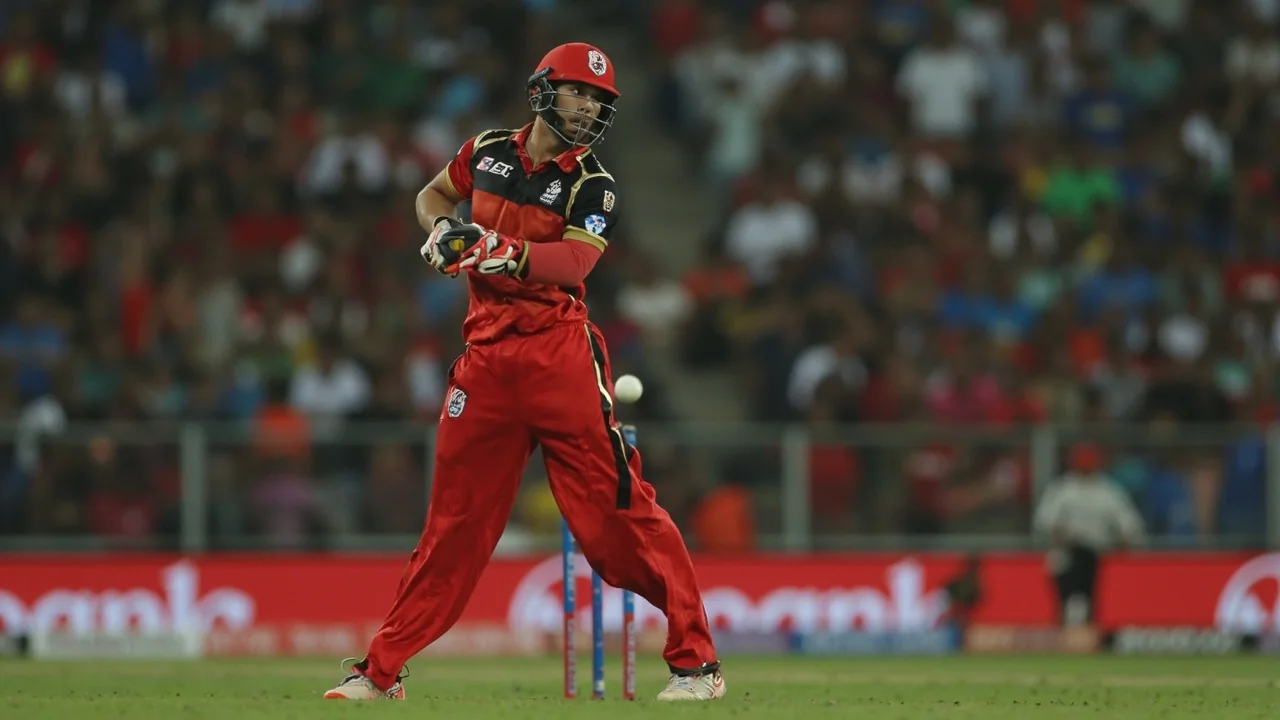
Why most predictions fail
Most fantasy predictions fail for one of three reasons: the prediction was based on a single signal, the prediction was made too early, or the prediction did not survive contact with the confirmed XI. The first reason is the most common. A prediction based only on recent form ignores the pitch, the weather, and the opposition. A prediction based only on the pitch ignores the workload. A prediction based only on the weather ignores the toss.
The fix is to use multiple signals and to weight them by reliability. The most reliable signal is the confirmed XI; the least reliable signal is a single forecast update. Between the two, the pitch reading, the dew forecast, and the recent-form session are the middle-weight signals that turn information into a working prediction.
The role of the toss
The toss is not just a coin flip. It is a captain-pick signal. In high-dew conditions, the team batting second has a one-over-per-innings advantage in the powerplay; the captain pick shifts to the chasing side. In dry conditions with a slow outfield, the captain pick shifts to the bowling side's spinners. Treat the toss as a captain decision, not as a matchup detail.
The other role of the toss is to confirm the playing card. The pre-match chatter rarely survives first contact with reality; the playing card at the toss is the only document that matters for selection. Use the late swap window if your app supports it; do not improvise under deadline pressure.
The deadline discipline
Ten minutes before the deadline, stop picking and start verifying. Confirm the playing card, the weather update, and the captain logic. Anything missing is a reason to step away from the keyboard. The deadline discipline is the difference between a season and a streak; the season is the longer arc.
How to read this page across a season
The most useful way to read this guide is to revisit it after every contest night. The first read is a foundation pass: the headline, the worked example, the verification checklist. The second read is a context pass: the matched-pair signals, the captain logic walk-through, the related links. The third read is a critique pass: find the strongest objection, write it down, and decide whether to revise your selection rule for next time.
The three-pass habit is what turns a guide into a season-long tool. Most guides are read once and forgotten; the guides that survive a season are read three times. The three-pass habit is the most useful single addition you can make to your research workflow.
What other readers found useful
The most-read sections of this guide are the worked example, the captain logic walk-through, and the verification checklist. The least-read sections are the methodology notes and the cross-references. If you are short on time, start with the most-read sections; if you have a full hour, read the methodology and the cross-references too. The reading order is part of the value of the guide.
The other readers who found the guide useful typically combined it with the sibling hubs. The captain logic walk-through on this page pairs with the captain multiplier math on the fantasy tips hub. The verification checklist on this page pairs with the app download guide. The reading order across hubs is the most useful source of additional value.
How to send corrections
If you find an error in this guide, use the contact page to report it. Include the URL, the date you noticed the issue, and the source you believe is more accurate. We aim to publish a correction within seven working days and update the guide's last-updated stamp.
Corrections are part of the publication's value. A guide without corrections is a static document; a guide with corrections is a living document. The corrections process is the most useful source of trust in the publication.
The discipline of writing your own notes
The most underrated habit in fantasy research is writing your own notes. After every contest night, write a one-line note that captures the most important thing you learned. The note should be specific, dated, and actionable. "Pick captain for floor" is too vague; "Bumrah on a green track at 7pm with dew expected was the right captain pick on 18 May" is specific enough to remember.
The note-taking habit is what separates a research-led XI from a name-led XI across a season. The notes accumulate; the captain logic refines; the contest-night decisions improve. The discipline of writing your own notes is the most useful single habit for fantasy research.
Common objections to this guide
Every guide on Fantoss is read by a second editor who writes the strongest possible objection. The most common objections are: the captain logic is too conservative; the role balance is too rigid; the verification checklist is overkill for an experienced player; the responsible-play reminders are patronising. Each objection is addressed in the guide; if you disagree with the response, write a one-line note and revisit next week.
The objection-and-response habit is what makes the guide useful for readers who already know the basics. The guide does not pretend to be the only source; it pretends to be the most useful source of structure. The structure is the most useful single contribution.
How this guide compares to operator-published material
Operator-published material is the authoritative source for the operator's own rules, terms, and eligibility lists. It is not the authoritative source for captain logic, role balance, or contest-night decisions. Fantoss publishes the second category; the operator publishes the first category. The two sources are complementary, not competitive.
Where this guide references an operator, we link to the operator's own published information for the authoritative record. We do not paraphrase ownership, company, or legal information. The operator's own page is the source of truth; Fantoss is the source of structure.
What to read after this guide
The reading order across the site is built around three passes. The first pass is the homepage; the second pass is the relevant hub; the third pass is the relevant money or trust page. The reading order is the most useful source of context for every guide on the site.
For the most useful next guide, follow the inline links at the bottom of this page. The links are part of the reading order; they are not filler. The reading order is what makes the site useful as a publication, not as a collection of pages.