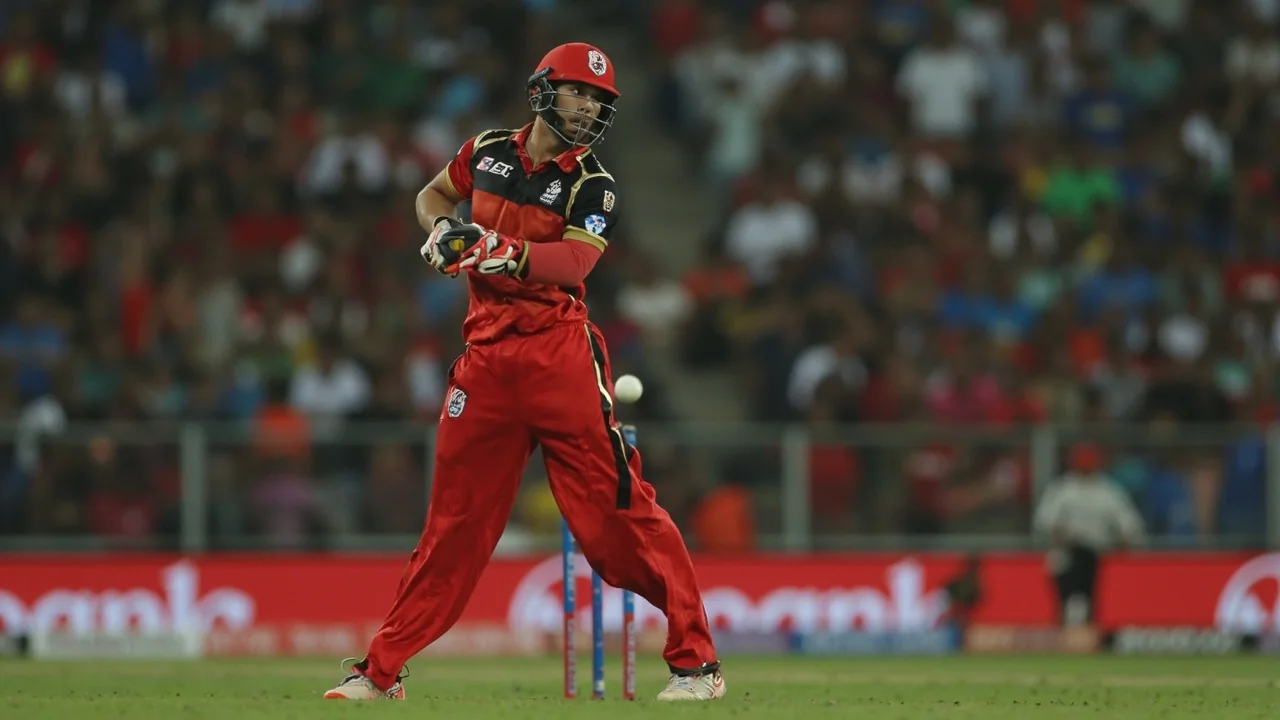
When Phil Salt was asked, on The Super Over podcast, which of his two Indian Premier League titles meant more, he did not hesitate. The 2025 Royal Challengers Bengaluru medal — the franchise's first in seventeen seasons of the tournament — sat ahead of the 2024 Kolkata Knight Riders medal in his own ranking. The reason had nothing to do with either campaign's run-scoring chart and everything to do with a chair he had occupied on the wrong side of the ropes a year earlier. Salt had been pulled out of the KKR squad before the 2024 final because of international duty, and he had watched from a television instead of running out at the MA Chidambaram Stadium that May evening. The 2025 medal was, in his words on the podcast, the release that came the year after the absence.
The interview, published by Deepanjan Mitra on Cricket News on 6 July 2026 and syndicated to Yahoo Sports under the same byline, is short. It is also one of the more useful player-context windows of the IPL cycle, because the comparison Salt draws between the two franchises is exactly the kind of comparison a fantasy selector rarely gets to make: the same player, the same tournament, two title-winning dressing rooms twelve months apart, with a clear before-and-after line cut between them.
What Salt actually said, in his own framing
Salt called the 2025 RCB title his favourite for a reason that he returned to more than once on the podcast. The year before, he had starred through the KKR campaign and then had been taken out of the side before the championship match. He described that experience as the kind of absence a player carries with them into the next season, and described the 2025 title as a release — "a proper release," in his words — that came with the RCB run. He framed the 2025 medal as "just the icing on the cake" on top of the work he had already put in across the previous summer, and described the two experiences as "two different experiences" rather than two halves of a single arc.
The phrasing matters. Salt is not ranking one franchise above the other; he is ranking two emotional peaks. The 2024 KKR campaign was a sustained body of work through the league stage; the 2025 RCB run was the run that closed an open loop. Fantasy readers who treat the comment as a tournament-quality comparison miss what the player is actually saying. The comparison is between two personal seasons, not two franchises, and the differentiator is the missing final.
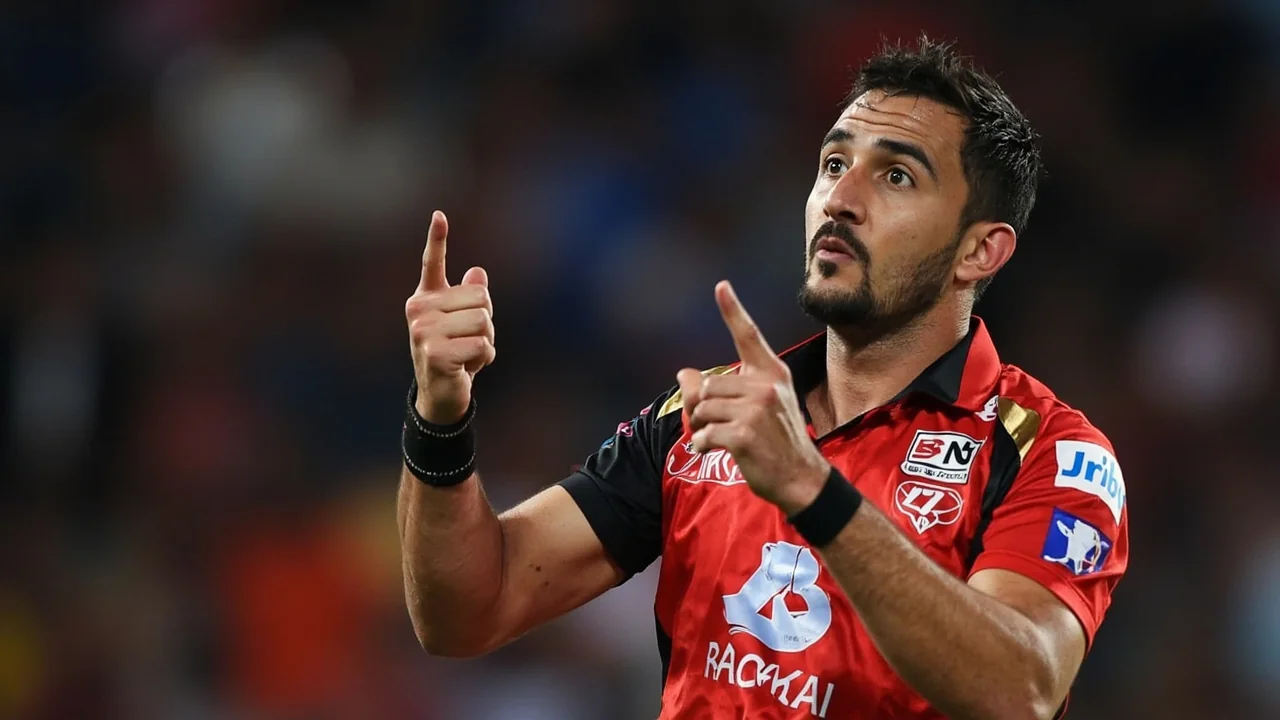
Why the 2024 final happened without him
The KKR final against Sunrisers Hyderabad on 26 May 2024 was won by the Kolkata side by eight wickets, with Venkatesh Iyer and Rahmanullah Gurbaz carrying the chase. Salt was not in the XI. The reason was the international fixture list: England had named Salt in a squad that overlapped the IPL knockout window, and the franchise, as is standard under the IPL's international-release clause, released him before the final. The decision was not controversial at the time — it is the same clause that has moved players in and out of IPL knockouts for the better part of two decades — but the emotional weight of the release is what Salt is now talking about.
Two practical points for fantasy readers. First, the IPL's release clause is not symmetrical. A player can be released out for an international fixture and back into the franchise the following season without a contract reset, which is exactly what happened with Salt. Second, a player's frame of mind at the start of the next season is shaped by what happened in the previous season's knockout, not just the previous season's league-stage numbers. Salt's 2025 output cannot be read against 2024 in isolation; it has to be read against the 2024 final he did not play.
Why the 2025 RCB run read differently to fantasy owners
Royal Challengers Bengaluru finished the 2025 league stage with nine wins from fourteen and entered the knockouts as one of the four teams with realistic title odds. The batting order was built around an aggressive top three, and Salt's role was the same role he had held at KKR: opener, attacking fields, batting deep in the powerplay, with periodic keeper-captaincy rotations when the management wanted a left-handed option in the middle overs. That role, more than any other on the fantasy board, is the role whose captaincy value moves the most between matches; the ceiling is the highest of any position on the field, and the floor is the most exposed to early loss of wickets.
The RCB run, by the time it ended, had the same body language that Salt described on the podcast. He framed it as the run that "completed" the previous year's work. For a fantasy reader, the useful question is not whether the 2025 RCB was a stronger team than the 2024 KKR — the answer to that is contestable and depends on which side of the toss you sat on — but whether the 2025 RCB gave Salt a more stable role, a clearer batting position and a more reliable captaincy case. The two seasons tell a different story depending on which axis you measure.
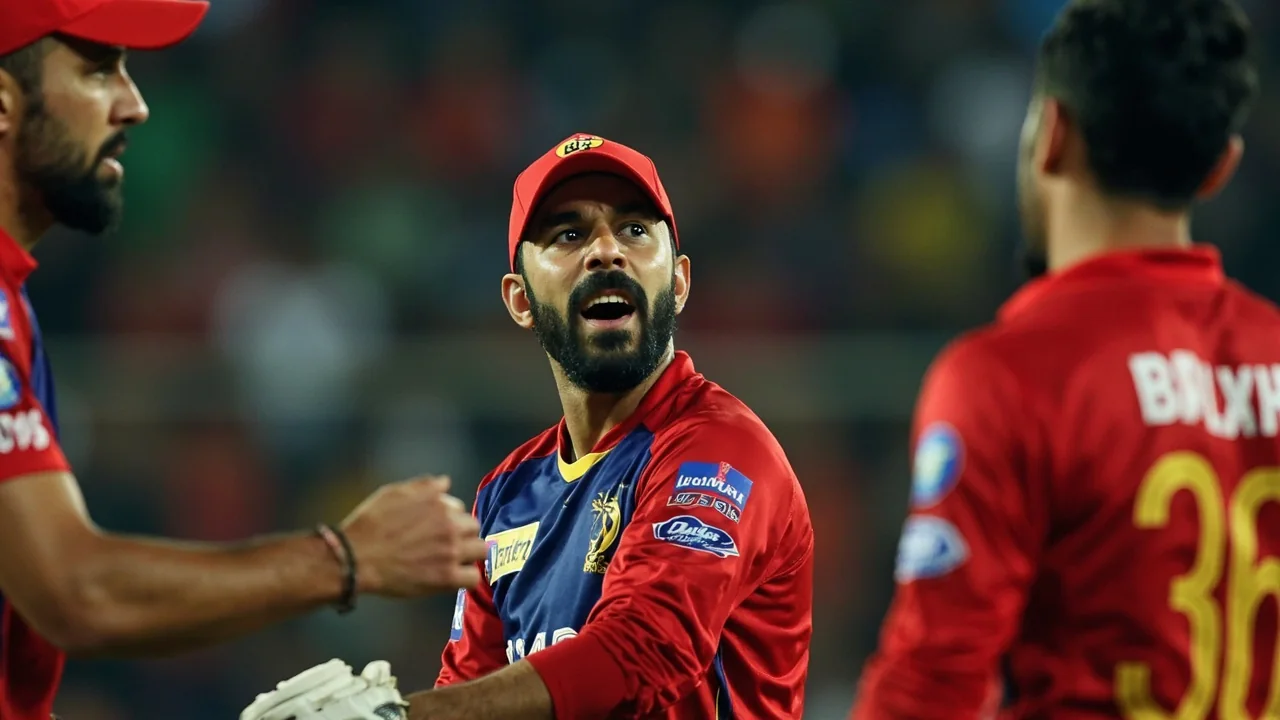
What Salt's two titles tell a fantasy selector
The most useful single lesson is the one Salt spells out on the podcast without using the word: a player's emotional state entering a season is a captaincy variable, not a footnote. The 2024 KKR campaign produced a top-order bat who had been the most aggressive opener in the league stage. The 2025 RCB campaign produced the same batter with the additional load of a closed loop. Fantasy owners who picked Salt as captain in the 2025 playoffs benefited from a player whose internal clock was already running; fantasy owners who picked him as captain in the 2024 playoffs had a player with the same skill set and a less settled frame of mind.
The second lesson is about role stability. Across both title runs, Salt held the same batting position, the same boundary-hitting role and most of the same keeper duties. Role stability is the most underrated predictor of fantasy points across a tournament: a player who holds the same role for fourteen matches produces a more reliable captaincy case than a player who rotates through three positions across the same window. Salt's two seasons are an unusually clean example of role stability producing role reliability.
The third lesson is about squad context. A title-winning franchise is not the same workplace as a fourth-placed franchise; the dressing-room tone is different, the bowling rotation is more settled, the death-overs plan is rehearsed rather than improvised. For a fantasy selector who reads match previews more carefully than player-stat tables, the squad context is the variable that quietly decides the ceiling of a captain pick in the back half of a season.
Where the podcast does not push the analysis further
The Cricket News write-up and the Yahoo Sports syndication both stop where Salt stopped talking. The interview is a player-context window, not a tactical breakdown. There is no commentary on RCB's death-overs plans, no comparison of the KKR and RCB middle-order constructions, no analysis of how either franchise's auction strategy fed into the title runs. The reader who wants a tactical breakdown will need to read the match reports and the scorecards alongside the interview, not in place of them.
It is also worth being explicit about what the source does not say. It does not rank the two franchises against each other; it does not comment on the IPL's release clause as a policy matter; it does not speculate about whether Salt would have played the 2024 final if the international fixture had been scheduled a week later. The interview is a player's first-person recollection, and the honest editorial move is to leave the speculation to the player and to the source rather than padding it into the article.
What to watch next
The 2026 IPL cycle is the obvious next event for anyone tracking Salt's role across formats. The auction is the venue at which his role will either be locked in as a top-three bat with keeper duties or moved down the order to accommodate a new overseas signing; the playing card at the toss is the document that will confirm which way the franchise has gone. The pre-auction shortlists are the most useful single source for fantasy owners who want to plan the captain pick before the first ball.
For readers who want a structured way to read the pre-auction signals alongside the playing-card release, the match-prediction reading order on Fantoss is built around three passes — the pitch and weather, the confirmed playing card, and the late swap window — and applies to both the auction and the tournament itself. Salt's two titles are a useful case study in how the second pass (the playing card) and the third pass (the role continuity across the season) combine to decide the captain pick, and the match predictions reading order applies the same logic to every fixture across the IPL calendar.
Frequently asked questions on Salt's two IPL titles
Did Phil Salt play in the 2024 KKR final? No. He was released from the KKR squad before the championship match because of an international commitment with England, and the franchise fielded the XI that beat Sunrisers Hyderabad at the MA Chidambaram Stadium on 26 May 2024.
Why did Salt call the 2025 RCB title his favourite? On The Super Over podcast he framed the RCB win as the release that came the year after missing the KKR final, and called it "just the icing on the cake" on top of the previous campaign's work.
Did Salt describe the two titles as a single arc? No. He called them "two different experiences" rather than two halves of one arc, with the 2024 KKR run the sustained body of work and the 2025 RCB run the campaign that closed an open loop.
Who wrote the original interview? Deepanjan Mitra wrote the piece for Cricket News on 6 July 2026, with a Yahoo Sports syndication under the same byline and headline.
What is the most useful single fantasy lesson from the interview? A player's frame of mind at the start of a season is a captaincy variable. Two title-winning campaigns with the same role produced different captaincy cases because the second campaign began with the additional load of a closed loop.