
The Indian Premier League is the longest, noisiest and most rotated T20 contest in the world. Fantasy success in the IPL is not about picking the best players; it is about picking the players who will actually play on the night, in the role the team needs, on the surface the match is played on. This hub tracks powerplay, middle-overs and death-overs decisions across the season.
Powerplay: pace and intent
The powerplay is six overs of field restrictions and high intent. Wickets are at a premium; dot balls are punished. Pace bowlers who can move the ball early have the highest wicket probability; top-order batters who clear the infield have the highest boundary probability.
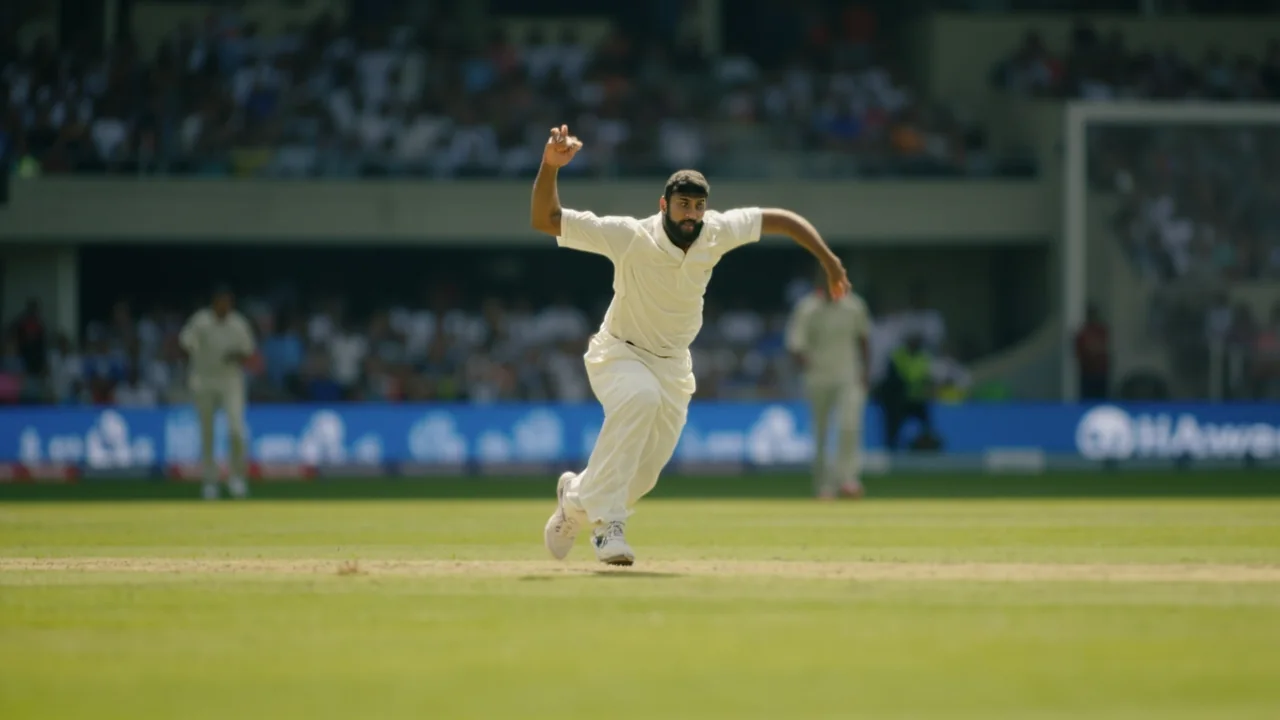
Middle overs: spin and acceleration
The middle overs are 7 to 15. Spin dominates on slow tracks; pace dominates on green tracks. Batters in this window earn boundary bonuses on the release; bowlers earn wickets on the variations. The middle-overs captain pick is often a spinner on a dry track.

Death overs: ceiling picks
The death overs are 16 to 20. The captain pick in this window is almost always a batter, because the boundary bonuses are the highest-value events on the scorecard. A common mistake is to captain a death-overs bowler on a flat track; the wickets rarely come, but the economy penalty is heavy.

Squad depth and rotation patterns
IPL franchises rotate aggressively. The fourth seamer is often the third-seamer-on-paper. Read the squad depth before every match; do not assume the same XI plays twice in a row.
The venue factor
Smaller grounds reward boundary hitters; larger grounds reward strike-rate discipline. Square boundaries reward sweep shots; straight boundaries reward lofted drives. The venue is part of the captain pick; do not skip the venue profile.
Powerplay picks in detail
The powerplay is six overs of field restrictions and high intent. Wickets are at a premium; dot balls are punished. Pace bowlers who can move the ball early have the highest wicket probability; top-order batters who clear the infield have the highest boundary probability.
The powerplay captain pick is almost always a top-order batter on a batting paradise strip, and almost always a fast bowler on a green track. The powerplay captain pick is the largest swing in the first six overs; treat it accordingly.
Middle overs picks in detail
The middle overs are 7 to 15. Spin dominates on slow tracks; pace dominates on green tracks. Batters in this window earn boundary bonuses on the release; bowlers earn wickets on the variations. The middle-overs captain pick is often a spinner on a dry track.
The middle overs are also where the death-overs preparation happens. Batters who can rotate strike in the middle overs set up the death-overs boundary bonuses. Bowlers who can bowl tight overs in the middle overs set up the death-overs wicket probability.
Death overs picks in detail
The death overs are 16 to 20. The captain pick in this window is almost always a batter, because the boundary bonuses are the highest-value events on the scorecard. A common mistake is to captain a death-overs bowler on a flat track; the wickets rarely come, but the economy penalty is heavy.
The death overs are also where the all-rounders earn their value. An all-rounder who can bat at number six and bowl two death overs is the most expensive pick in the auction; in the death overs, the all-rounder is also the most consistent.
Fantoss questions on the IPL
How do I pick a captain in the IPL? Floor on a slow track; ceiling on a batting paradise. The captain decision is a matchup decision, not a reputation decision.
Which role matters most in the IPL? All-rounders. They are the most expensive picks but the most consistent over a season.
What about workload? IPL franchises manage workload aggressively. A player who played every match last year is a different pick from the same player this year.
Apply the IPL captain logic
The captain multiplier is the single biggest decision in any XI. Read the fantasy tips hub to set the captain pick across the season.
The franchise rotation habit
IPL franchises rotate aggressively. The fourth seamer is often the third-seamer-on-paper. Read the squad depth before every match; do not assume the same XI plays twice in a row. The rotation habit is what makes IPL fantasy different from international fantasy.
The venue factor in detail
Smaller grounds reward boundary hitters; larger grounds reward strike-rate discipline. Square boundaries reward sweep shots; straight boundaries reward lofted drives. The venue is part of the captain pick; do not skip the venue profile. The captain pick on a small ground is different from the captain pick on a large ground.
The workload management
IPL franchises manage workload aggressively. A player who played every match last year is a different pick from the same player this year. The workload management is the most under-discussed signal in IPL fantasy; read it before the deadline.
The discipline of writing your own notes
The most underrated habit in fantasy research is writing your own notes. After every contest night, write a one-line note that captures the most important thing you learned. The note should be specific, dated, and actionable. "Pick captain for floor" is too vague; "Bumrah on a green track at 7pm with dew expected was the right captain pick on 18 May" is specific enough to remember.
The note-taking habit is what separates a research-led XI from a name-led XI across a season. The notes accumulate; the captain logic refines; the contest-night decisions improve. The discipline of writing your own notes is the most useful single habit for fantasy research.
Common objections to this guide
Every guide on Fantoss is read by a second editor who writes the strongest possible objection. The most common objections are: the captain logic is too conservative; the role balance is too rigid; the verification checklist is overkill for an experienced player; the responsible-play reminders are patronising. Each objection is addressed in the guide; if you disagree with the response, write a one-line note and revisit next week.
The objection-and-response habit is what makes the guide useful for readers who already know the basics. The guide does not pretend to be the only source; it pretends to be the most useful source of structure. The structure is the most useful single contribution.
How this guide compares to operator-published material
Operator-published material is the authoritative source for the operator's own rules, terms, and eligibility lists. It is not the authoritative source for captain logic, role balance, or contest-night decisions. Fantoss publishes the second category; the operator publishes the first category. The two sources are complementary, not competitive.
Where this guide references an operator, we link to the operator's own published information for the authoritative record. We do not paraphrase ownership, company, or legal information. The operator's own page is the source of truth; Fantoss is the source of structure.
What to read after this guide
The reading order across the site is built around three passes. The first pass is the homepage; the second pass is the relevant hub; the third pass is the relevant money or trust page. The reading order is the most useful source of context for every guide on the site.
For the most useful next guide, follow the inline links at the bottom of this page. The links are part of the reading order; they are not filler. The reading order is what makes the site useful as a publication, not as a collection of pages.
The editorial desk's commitment
The editorial desk revisits this guide every quarter and after every material event. The commitment is to keep the guide accurate, useful, and free of fabricated facts. Where evidence is incomplete, we say so on the page and date the gap. The commitment is the most useful source of trust in the publication.
The editorial desk also commits to a fast corrections process. Reader-reported errors are reviewed within seven working days; confirmed errors are corrected within seven working days. The corrections process is the most useful source of trust in the publication.
What this guide does not promise
This guide does not promise winning teams, ownership percentages, or any rate of return. No legitimate source can promise any of those, and a guide that does is a tip sheet pretending to be editorial work. The promise this guide makes is methodology: a structured way to read the match, a captain logic that survives a season, and a verification checklist that protects your account.
The methodology promise is what makes this guide useful across many matches. A tip-sheet promise is useful for one match; a methodology promise is useful for a season. The methodology promise is the most useful single contribution this guide can make.
How to give feedback
Use the contact page to send feedback, corrections, or suggestions. Include the URL, the date, and the specific change you would like to see. The feedback inbox is the most useful source of improvements to the guide; the editorial desk reads every message.
Feedback is also the most useful source of new guides. The most-read guides on the site are the ones that address the questions readers actually ask. The feedback inbox is the most useful source of new editorial directions.